
10 Ways to Budget for Your Sport
How I Keep My Fitness Goals Without Emptying My Wallet
I will be honest with you. I love sport. Whether it is pulling on my trainers at six in the morning for a run before the emails start piling up, or heading to a spinning class on a Tuesday evening to shake off the day, staying active is genuinely one of the things that keeps me sane. But sport and fitness can cost a serious amount of money, and over the years I have learned, sometimes the hard way, how to make it work financially without feeling like I am constantly compromising.
So let me take you through the ten practical ways I budget for sport and fitness, working from the cheapest options right up to the bigger ticket pursuits. Whatever your passion, there is almost always a smarter way to fund it.
Being fit and financially fit are not mutually exclusive. With a little planning, you can have both.
1. Running: Free on Your Doorstep
Let us start with the one that costs almost nothing. Running is, without question, the most accessible form of fitness there is. You step outside, you move, and that is it. No membership fees, no booking systems, no monthly direct debits quietly draining your current account.
The only real outlay is a decent pair of running shoes, and that is worth getting right. A poor pair of trainers is an injury waiting to happen, and injuries cost money in physio bills and lost training time. I would always recommend visiting a specialist running shop for a proper gait analysis, which is often free, before buying. You do not need to spend a fortune. There are excellent shoes available for around forty to sixty pounds if you shop around, particularly in the January and summer sales.
Thrifty tip: Use free apps like Strava, Nike Run Club or Couch to 5K to follow structured training plans without paying a coach. Parkrun events every Saturday morning are completely free and one of the best communities in British sport.
If you want to enter races, factor those costs in separately. Most 5K and 10K events cost between ten and twenty pounds to enter. Half marathons typically run from twenty to forty pounds, and full marathons from forty to one hundred pounds or more for major city events. A race calendar set at the start of the year helps you spread those costs rather than getting caught out.

2. Cycling: High Upfront, Low Running Costs
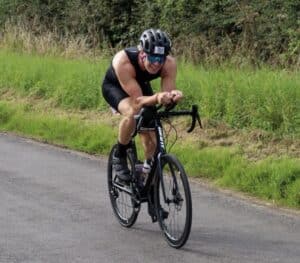
Cycling sits in a fascinating middle ground. The initial cost of a bike can range from a few hundred pounds to several thousand, but once you have the bike, the ongoing costs are genuinely low. No fuel, no gym membership, and with a bit of basic maintenance knowledge, you can keep it running for years.
For commuting or general fitness cycling, a solid hybrid bike from a reputable brand can be found for between three hundred and five hundred pounds. Road bikes and mountain bikes climb rapidly in price, but the second-hand market is excellent. I have bought two bikes through Facebook Marketplace and both were in superb condition at roughly half the retail price.
Thrifty tip: The Cycle to Work scheme, available through many employers, allows you to purchase a bike and cycling equipment as a salary sacrifice arrangement. This means you pay through your pre-tax salary, which can reduce the effective cost by anywhere from twenty to forty per cent depending on your income tax rate. Always check with your HR department whether your employer participates.
For those in Scotland, Cycling UK and Sustrans have excellent resources on free cycling routes and guided rides. Many local cycling clubs operate a social ride programme that is free or very low cost to join, giving you the community and motivation of structured training without expensive coaching fees.
3. Swimming: Getting the Most From Your Local Pool
Swimming is one of the most complete forms of exercise available and, in many parts of Scotland, your local council leisure centre offers pool access at genuinely affordable rates. The key is to look beyond the standard pay-as-you-go price and ask about membership options.
Many local authority leisure centres operate annual membership schemes that bring the cost per swim down considerably. In Glasgow, for example, a monthly leisure pass can give you unlimited pool access, gym use and fitness classes for a fraction of what a private gym would charge. It is worth doing the maths on how many times per month you realistically swim and working out which option suits your budget.
Thrifty tip: Look out for off-peak memberships if your schedule allows. Swims before 9am or after 7pm on weekdays are often significantly cheaper. Some pools also offer discounted family swims at the weekend, which doubles up as quality time and exercise. Obviously wild swimming if free and popular but you will need the appropriate equipment.

4. Gym Membership: Smarter Than You Think
The gym membership is the one area where I see people make the most avoidable financial mistakes. They join in January, full of enthusiasm, and by March they are paying for something they visit twice a month. The direct debit just sits there, quiet and persistent, until they eventually get around to cancelling it six months later.
The smarter approach is to audit your actual habits before you commit. Most gyms will offer a free trial or a short-term pass. Use it, and be honest with yourself. If you go four or five times a week, a premium gym membership may represent excellent value. If you go twice a week, a budget chain like PureGym or The Gym Group at around twenty pounds per month is almost certainly sufficient.
Thrifty tip: Many gyms offer significantly reduced rates for joining in October or November when new member numbers are lower. January is the worst time to join for value, as gyms rarely discount when they are at peak demand. Joining with a friend and asking for a referral discount can also bring the monthly cost down.
Corporate gym discounts through employers are also worth investigating. Some insurance providers, including those offering private medical insurance, include gym membership discounts or contributions as part of their policy. Speak to your HR team or financial adviser about what might be available to you.
5. Yoga and Pilates: From Free to Five-Star
Yoga and Pilates have exploded in popularity over the last decade, and the pricing landscape reflects that. You can access high-quality instruction for free via YouTube channels like Yoga with Adriene, which has tens of millions of followers and a genuinely well-structured library of classes. Or you can pay upwards of twenty pounds per session at a premium studio.
My suggestion is to use free resources to establish a consistent practice before investing in studio classes. Once you know you genuinely enjoy it and want the accountability of a class environment, look at studio membership packages rather than pay-as-you-go rates. Membership models typically offer a meaningful discount per class compared with drop-in pricing.
Thrifty tip: Many yoga teachers offer community classes or sliding scale pricing to make sessions accessible to those on tighter budgets. It is always worth asking directly, as these are not always advertised. Some gyms and leisure centres also include yoga and Pilates classes within a standard membership at no additional cost.

6. Team Sports: Clubs, Kits and the Hidden Costs
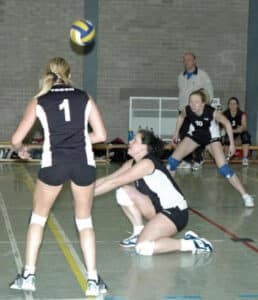
Playing football, rugby, hockey, netball or any other team sport is one of the most social and motivating ways to stay fit, but the costs can add up. Club membership fees, kit requirements, match fees and travel all contribute to the overall spend.
Most amateur clubs operate on a membership fee paid annually, often supplemented by a small match fee or weekly session fee. Before joining, ask for a full breakdown of what membership covers and what is charged separately. Some clubs charge separately for kit, pitch hire, referee fees and end-of-season social events.
Thrifty tip: Many clubs have a second-hand kit box or a kit loan scheme for new members. Do not be embarrassed to ask. Most clubs are welcoming communities and would far rather get good players involved than lose someone over the cost of a shirt. Charity shops and online marketplace sites like Vinted can also be excellent for affordable sportswear from well-known brands.
For equipment-heavy sports like hockey or rugby, buying second-hand is almost always the sensible choice when you are starting out. You will get a realistic sense of your commitment level before investing in premium gear.
7. Tennis and Golf: Managing the Costs of Rackets and Rounds
Tennis and golf are both sports where the membership model varies enormously. At the lower end, many public parks have pay-and-play tennis courts bookable online for as little as three to six pounds per hour. At the top end, private tennis clubs can run to several hundred pounds per year in membership fees before you factor in coaching or equipment.
Golf follows a similar pattern. Municipal courses in Scotland offer some of the most affordable golf in the world, with green fees often under twenty pounds for eighteen holes. Private club membership, however, can range from a few hundred to several thousand pounds annually depending on location and prestige.
Thrifty tip: For tennis, the LTA’s Lawn Tennis Association has a court finder tool to locate free or low-cost public courts near you. For golf, consider a pay-as-you-play approach at municipal courses before committing to an annual membership. Many clubs also have introductory or associate membership tiers that provide limited access at reduced cost, which is ideal if you are building a regular habit.
Second-hand equipment for both sports is readily available and more than adequate for recreational play. A set of beginner golf clubs from a reputable second-hand sports retailer will serve a new golfer perfectly well. Resist the temptation to spend heavily on equipment before your skill level warrants it.

8. Skiing and Snowboarding: Budgeting for the Mountains
Skiing is the sport that most consistently surprises people with how expensive it can get when you add everything up. Lift passes, accommodation, equipment hire, lessons, travel, food, insurance. A week on the slopes for a family can stretch well into the thousands of pounds.
The good news is that there is significant scope to reduce costs with advance planning. Booking ski passes and accommodation early in the season, typically in October or November for a February or March trip, often yields the best prices. Learning to ski in smaller, lesser-known resorts rather than iconic names like Val d’Isere or Verbier can halve the cost without significantly compromising the experience.
Thrifty tip: If you ski regularly, buying your own boots is a good investment. Hiring boots is one of the most expensive parts of the equipment rental package and ill-fitting hired boots are a genuine hazard. Your own boots, properly fitted, will pay for themselves within a few trips. Jackets and salopettes can often be found in excellent condition on sites like eBay or Facebook Marketplace at a fraction of the retail price.
For those in Scotland, Glenshee, Cairngorm, Glencoe and Nevis Range offer domestic skiing that removes the cost of flights and international accommodation entirely. Conditions are variable by nature, but for developing skills and having a brilliant day out, Scottish skiing represents outstanding value.

9. Triathlon and Multi-Sport: The Planning-Heavy Option
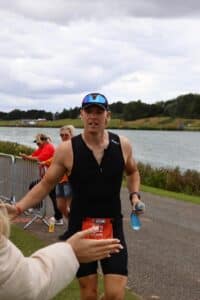
Triathlon combines swimming, cycling and running, which means the kit list and cost potential is considerable. A full triathlon wetsuit alone can cost between one hundred and five hundred pounds. A road or triathlon bike suitable for events can run from five hundred pounds to several thousand. Add entry fees, race licences, nutrition, coaching and travel to events, and triathlon can become an expensive pursuit very quickly.
That said, the triathlon community is one of the most welcoming and supportive in amateur sport, and experienced members are almost always happy to advise on where to spend and where to save. The honest truth is that for sprint and Olympic distance triathlons, you do not need the fastest bike or the most aerodynamic kit. Finishing is the achievement, not the time on the clock.
Thrifty tip: British Triathlon has a range of introductory events specifically for newcomers. Many local triathlon clubs hold pool-based swims followed by indoor cycling sessions during winter months, which means you can train consistently without investing in expensive race-day equipment until you know you are committed to the sport.
Buying second-hand triathlon bikes and wetsuits is sensible for beginners. Wetsuits are particularly well suited to second-hand purchase as they show wear but function perfectly well for years. Always try a wetsuit before buying.
10. Motorsport and Equestrian: The Big Ticket Pursuits
At the highest end of the sporting cost spectrum sit motorsport and equestrian disciplines. Both require not just financial investment but ongoing, often unpredictable, costs that need to be treated seriously as budget items in their own right.
For equestrian sport, livery fees for keeping a horse can range from four hundred to over one thousand pounds per month depending on the type of care and facility. Add veterinary bills, farriery, equipment, competition entry fees and riding lessons and it becomes one of the most significant discretionary financial commitments a person can make.
Motorsport at even a grassroots level involves significant investment in a vehicle, safety equipment, licence fees, fuel, tyres and entry costs. Karting is a more accessible entry point and can be pursued at club level for a few thousand pounds per season with careful planning.
Thrifty tip: For equestrian pursuits, loan arrangements or part-loan agreements offer a way to ride regularly and even compete without the full cost of ownership. You share the horse’s care and costs with the owner in exchange for riding time. This can represent a significant saving compared to ownership while still delivering a genuine competition experience.
For both disciplines, proper financial planning is not optional. Treating your sport as a budget line item alongside your mortgage, car costs and savings is the only sustainable approach. A clear-eyed look at what you can genuinely afford annually, divided across the months, prevents the situation where a single vet bill or car repair sends your finances into difficulty.

Your Sport Deserves a Proper Plan
The way we spend our money reflects our values and if sport and fitness matter to you, they deserve a proper place in your financial plan rather than being squeezed in as an afterthought. The smartest athletes I know are not necessarily those with the biggest budgets. They are the ones who plan ahead, buy well, avoid impulse purchases and make their money work as hard as they do.
At Wellington Wealth, we help clients build financial plans that accommodate the life they actually want to live, not a stripped-back version of it. If you would like to talk through how we can help you balance your financial goals with the things that matter most to you, including your sport, we would genuinely love to hear from you.
Get in touch with the team at Wellington Wealth to arrange your consultation today.